
Technology and the Veterans Administration

pexels-photo-355988.jpeg

One of the biggest issues I see with our older veterans is not understanding how to navigate the technology the Veterans Administration (VA) is trying to implement. I am not talking about the technological advancements the VA’s making in the medical field and prosthetics, I am talking about the everyday use of computers to do tasks that humans used to do. Making appointments, get medical records, talking to your primary care doctor, or getting prescriptions re-filled has become a chore because of the way the VA has set up the computer system. I have discussed with several Vietnam veterans or older veterans who don’t use computers or even own them. On multiple occasions I have asked our older veterans for their e-mail address and they don’t have one. To the older generations it is tough not being able to keep up with the technology. Some can’t afford a computer because they are living on a fixed income and only have social security, some are totally computer illiterate, and some refuse to use it for fear of their information getting out, or just plain principle, they refuse to change.

I can understand how the older veterans feel. It appears we now live in password “hell”. With the need to keep changing passwords every 30 days or so, and not being familiar with computers it can be tough. I struggle with the VA computer system and use a computer every day. I have one client who struggles and can’t get e-benefits to work for him. He has been working for hours with a representative from the VA to get his e-benefits up and running so he can do what is required. The man is 76 years old, should we really expect him to know how to navigate a computer system as complicated as e-benefits can be. Should we force veterans to utilize something they are not familiar with or not know how to do?

The VA is trying to save money by instituting the on-line programs, I understand that. The problem is the VA often doesn’t look at how it will affect the people who are left behind in the “upgrade” to a computer program. The VA computer system is not user friendly for some veterans, especially the older ones, the programs cause more stress and frustration for some veterans. How can we work through these issues? Let’s take a step back and look at things from a realistic perspective. The central call center for the VA should be able to handle this type of situation. Let the veterans call into the center and get what they need taken care of. Do not force the older WWII, Korea, and Vietnam era veterans to use a computer, it just creates stress and frustration for some veterans, and it also creates a negative VA experience.

Some of the older veterans are better at computers than others, I know a 76-year-old who builds web pages and uses the computer for bookkeeping. There are some who have made the adjustment, but should we force others who are not comfortable with utilizing the computer to use it for their claims or information? If a veteran does not know what they are doing the computer can be intimidating. Is it in the best interest of our veterans to make them do something they are not comfortable with? The VA has a lot of issues it needs to deal with, this is an easy one to fix, don’t make our older veterans use something they are not used to using. Don’t force the older veterans to deal with the stress of an unknown computer program to get their needs met. Have a real person they can work with to help them with the process and take care of their issues as stress free as possible, it is the least we can do for our older veterans.

For questions or comments, I can be reached at afterdutyvets@gmail.com or visit our website at marriedtoptsdpro.com and like us on Facebook at Married to PTSD Pro.

Is Privatization of the VA a Good Thing?  

pexels-photo-534229.jpeg

I was with my wife at a doctor’s office last week. Like most veterans we like early morning appointments and we chose the first appointment available. When we arrived the Doctors office there were only 3 people waiting, I thought, good this will be quick. The doctor did not see us for 2 hours. As we sat there, I was reading the news on my phone, the subject of privatizing the Veterans Administration (VA) came up. I asked myself, is this going to get worse if the VA is privatized. Are the civilian doctors going to get run over with VA patience? Waiting 2 hours to see a doctor is not fun, will it get worse? When we left 2.5 hours later, after a 15-minute consult with the doctor there were 20 people waiting, standing room only.

We all hear about the issues with the VA. Long drives, wait times of over a month, the inadequate care, failing facilities, the list goes on, but, is the private sector any better? Or do we just not hear about them because the VA is run by the government and people can complain? Unleashing an estimated 9.1 million veterans who utilize the VA health system on a fragile private medical system seems asinine when its looked at realistically. When was the last time you went to a private sector doctor and not wait for a length of time to see them? For me the last time I had no wait time was at the VA.  We don’t see media outlet doing a story on the wait times in private doctors’ offices, or a story on a shortage of doctors in the United States. They just hit the VA because it is an easy target, it is operated by the government and taxpayers fit the bill.

There will be an estimated shortage of 90,000 doctors in the United States by the year 2025. Many who might go into the medical field choose not to and look for other options due to the high cost and years of schooling required. Many doctors must work for free multiple years to gain experience before they can go into private practice or gain hospital privileges. For some working at the VA is a good option because the VA might pay off their student loans. People complain that doctors at the VA are making too much money, but for a doctor they’re not. That’s why so many doctors don’t want to work for the VA, they pay too little. Why would someone work for the VA if they can make 4 times the money in the private sector unless they are getting their student loans paid off and making a decent wage? Even when these doctors get into a private practice, as a doctor insurance companies control their income. So often insurance companies force doctors to place quantity over quality. Doctors must see more patience in order to make money because of what insurance companies pay.  

Insurance companies control the services we receive not the doctors. Next time you get an explanation of benefits, look at what was charged and what was paid for a doctor’s visit. That’s why doctor’s offices are so busy, they double book patience because they don’t get paid for patients who miss or don’t show up for their appointments.  Insurance companies pay only a portion of the charges, pay slowly, and make you have a staff to do all the required paperwork. It is true a patient can get an appointment with a civilian doctor next week, but you might wait 4-5 hours in their office to see the doctor. If the VA double booked like some doctors do there would be hell to pay in the public’s eye. The VA is a not for profit entity, their decisions are not profit driven, their patient driven.    

I understand the VA has its faults, I can be one of their largest critics, but the United States medical system has its flaws also. The VA is more transparent than insurance companies, and that is why they are always in the news. I use the VA for certain things, and tri-care for others. I take insurance in my private practice, including the VA choice program, but the VA choice payments go through insurance companies. I see firsthand how tough it can be to get paid for the services I provide because of insurance companies. How would you like to put a roof on a house and not get paid for it 2 or 3 months later? That is what it is like to take insurance. I have seen several doctors who stopped taking certain insurance because they might have to wait 6 months for payment, if they get paid at all.  Is that the kind of care we want for our veterans? Longer waits, inadequate care, and profit driven insurance companies making decisions on our health care. That is what 100% privatization of the VA would do. 

For questions or comments, I can be reached at afterdutyvets@gmail.com or visit our website at marriedtoptsdpro.com and like us on Facebook at Married to PTSD Pro

Can We End Veterans Homelessness?

unsplash-image-8UG90AYPDW4.jpg

I was talking to Gerard last week about veteran’s homelessness. Gerard was tasked to create a plan for the homeless veteran’s population in our state and he was seeking input. He was using his extensive veterans network to gather the needed information and ideas from people who work with veterans. We discussed various reasons veterans are homeless and why living quarters offered didn’t work for some. There are multiple reasons some veterans live in homelessness. Some just want to be left alone, some don’t want any responsibility, some don’t want to give up their pets, and some have mental health issues. For most veterans there are options for them to get out of homelessness if they want, but some veterans choose to be homeless.

There are veterans who want to be homeless. They don’t want the responsibility of taking care of others, house payment, rent, car payments, electrical bills, etc. Without these bills they often feel safe and free of societal pressures, they can live their lives on their terms. Many veterans have seen that it’s possible to live happily without material things. Traveling the world and seeing how it is possible to not have the responsibility or stress can look appealing. There are those veterans who find a way to be alone and happy.

When I was in Alaska there were a lot of Vietnam Veterans who lived in the “bush” not wanting to live in society. Many of these veterans decided to live on their own in Alaska’s wilderness without the pressures of normal life. They built their cabins and live a substance lifestyle; their only need is taking care of themselves. All they had to do was come out of the woods two to three times a year to get supplies and their mail and go back into the wilderness. They chose to be away from the pressures of society, usually because of their PTSD. This lifestyle is normal in Alaska, they were not considered homeless by Alaskans, they were like so many others who came to Alaska, they just wanted to be left alone. With Alaska’s vastness an individual can live in the woods without the law or landowners bothering them, many homesteaded the land, giving them the right to live there. There are very few places in the lower 48 where a person can go into the wilderness and be left alone, so unlike Alaska, they end up on the streets. But one of the biggest issues for homeless veterans is their mental health, many suffer from Post-Traumatic Stress Disorder (PTSD) and have nowhere to go because of their PTSD.

One of the constant battles we face when dealing with homeless veterans are mental health issues and drug use. Many veterans who have PTSD and suffer from addiction have burned their bridges with their family, friends, and society, leaving them little option but to be homeless. Often homeless veterans housing options are limited, especially for those who have addiction and PTSD. Those housing options that are available refused services to some because they have a history of being unable to control their PTSD symptoms or drug use, they become too much or a liability to others in the home. As a society we don’t have an easy way to help our veterans with mental disorders, particularly PTSD. Often veterans use alcohol or drugs to numb their pain and deal with their PTSD, creating a bigger issue. Their PTSD is why they refuse to give up their animals and move into a shelter, the animals are their safety blanket.

To the homeless their dog is their safety. Their dog allows them to sleep at night because they are their guard. Their dog’s acute hearing and smell keep them safe by staying alert while they are asleep. Their dog is like their security guard, so they can sleep and not have to fear being attacked while they are asleep, because the dog will wake them up. The unwillingness to give up their animals limit their options when it comes to finding a place to live.

For most veterans they have shelter options, there are always places veterans can go if their willing. So often the available housing options are not feasible for them and they choose to be homeless. Setting a goal of not having homeless veterans is unrealistic. Some veterans choose to be homeless, whether it is because they want to be alone, don’t want responsibility, don’t want to quit their drug addiction, or don’t want to give up their dogs, either way they are choosing to be homeless. We can’t help someone who does not want to be helped, all we can do is keep offering until they accept or pass.

For questions or comments, I can be reached at afterdutyvets@gmail.com or visit our website at marriedtoptsdpro.com and like us on Facebook at Married to PTSD Pro.
Veterans, Weapons, and Mental Health

pexels-photo-188716.jpeg

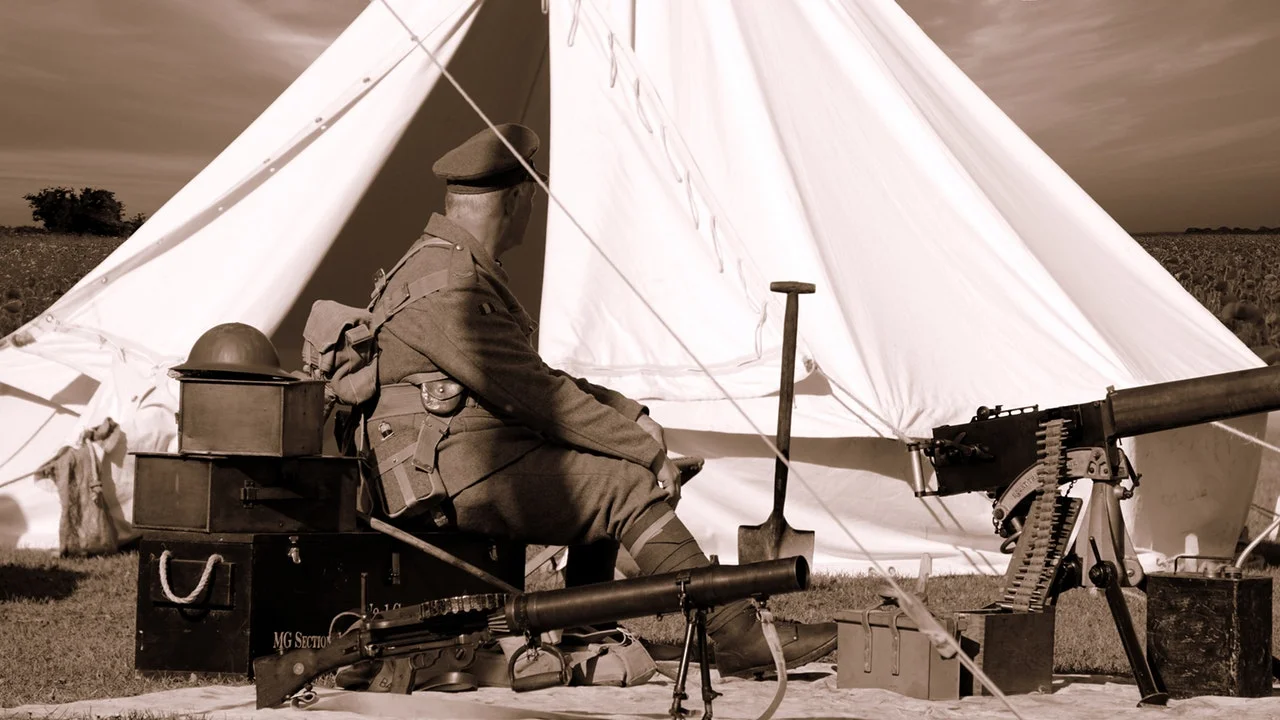
The recent events at the veteran’s home in Yountville CA. have placed veterans in a negative light again. Several of the recent mass shootings have involved military veterans, bringing to light the need for a better mental health system and Post Traumatic Stress Disorder (PTSD) screening for military veterans.  Military veterans are not the only ones doing the shootings, but they are the focus of some. There are people who want to take away the rights of people who have PTSD, including veterans. The fact that’s overlooked is there are more civilians who have PTSD than military veterans. I understand trying to take away assault rifles this is a hot button issue, but where is the line with veterans, weapons, and mental health. As a mental health provider, I would not want to be the one to take away a veteran’s rights due to PTSD caused by serving in the military. Taking away the very rights veterans have fought for is truly unacceptable without proper cause.

The stigma associated with mental health, including (PTSD) is an ongoing issue for some veterans and their families. If a military veteran feels their rights will be taken away because they have been or might be diagnosed with PTSD or any other mental illness they will not get help, possibly making the situation worse. Veterans don’t like mental health already, thinking they might lose their weapons if they get help will discourage veterans from getting the needed help. Veterans are targeted when it comes to PTSD because the Veterans Administration (VA) drives the PTSD conversation but only 6 % of Americans with PTSD are military veterans, so where does society draw the line?

Taking away rights from those who fought for your rights is a difficult sell, especially veterans. The issue could be solved by not allowing anyone to own military grade assault weapons, this is not feasible or going to happen, we are way past that point. What is the answer? Management of weapons has been done in the past with the help of the National Rifle Association (NRA). The NRA helped write the first United States gun laws and was a key player in gun-control laws up until the 1980’s.  Lately extensive background checks, oversized clips, age restrictions, and various other common since laws have been blocked by the NRA. What has happened to my NRA I joined as a kid? The ones who taught gun safety and fought for the rights of hunters. Mental health screening alone will not fix the problem we have now, we need the NRA to step up and help write common since laws that benefit everyone.

A onetime mental health screening is not going to indicate a mental health issue for most people. As a mental health professional, I know after a one-hour session there is no way I could guarantee someone would not “go off”, almost anyone can behave for an hour. To get a good idea of someone’s stability it might take weeks. No one wants to be subjected to an extensive mental health evaluation because of the stigma, but it might be necessary. The problem with mental illness is most mental illnesses are short termed. PTSD is manageable for most people, anxiety can go away with time, management, and treatment. Almost everyone gets depressed occasionally, many schizophrenics will not take medication and will not seek treatment. Where is the line going to be drawn when it comes to mental health screening for the ability to own weapons?  

Who decides who can attain a legal assault weapon, military folks and are trained on assault weapons, civilian are not. If anything, being a veteran should give you the right to own an assault weapon before a civilian. The problem is military veterans are 13% of the veteran population and have committed 1/3rd of the mass shootings between 1984 and 2017. This does not shed a good light on veterans or help my case that veterans have earned the right to have assault weapons. Veterans are familiar with weapons and know how to use them, should this knowledge and familiarity exclude or allow military veterans to own weapons?  

Most of my military veteran friends have assault rifles and enjoy shooting things up to get out their frustration and for fun, to them it is therapeutic. They would never give up their weapons. I have weapons and would never want to give them up either. But veterans would never go to therapy if they believe they would lose their rights to have weapons because they sought help. Most military veterans do not have PTSD, and even more veterans are not combat veterans. Should veteran’s rights be infringed just because they served in the military? Should they also lose their rights after they have fought for yours? This is a quagmire our founding fathers never saw coming. Our forefathers never envisioned a weapon could shoot 140 to 180 rounds per minute. Unfortunately, there are no good answers, the only thing that can be done is what was done with the “tommy” gun. Strictly control their ownership, just like the NRA agreed to when restrictions were put into place.   

For questions or comments, I can be reached at afterdutyvets@gmail.com or visit our website at marriedtoptsdpro.com and like us on Facebook at Married to PTSD Pro.

Non-Citizen Veterans

Doing my job as a college professor and a mental health clinician I meet veterans who must deal with a lot of stressful situations. One situation I struggle with is why non-citizen, honorably discharged, military veterans don’t automatically get US citizenship. Franco is one of those cases. Franco is a good, hard working guy who everyone treats with respect, those who know him understand his situation, and those who don’t know him would never know what he is dealing with. Franco served eight years as a corpsman in the Navy and had two tours in Iraq, both attached two Marine units. Franco saw heavy combat and plenty of carnage during his tours. His two tours have affected him the way it affects many of our Soldiers, Sailors, Airmen, and Marines. Franco saved many lives and patched up many Marines. All of us who know him love to pick on him because he was in the Navy and tries to act like a Marine. Even though he was diagnosed with posttraumatic stress disorder (PTSD) he has not gotten a service connected disability rating yet. While struggling with his PTSD and battling the Veterans Administration he is also struggling to become a US citizen.

Franco is legal in the US and has his green card. He has been in the United States since he was four years old but struggles with the process of getting his US citizenship for fear of being deported like other non-citizen military veterans. This young man has fought for this country and should have a direct line for citizenship. He is not alone, there many Soldiers, Sailors, Airmen and Marines who are not American citizens. I feel this is a slap in the face to those who have served alongside Franco and is an archaic rule. This should be a no-brainer, Franco has earned his citizenship. Our government should fast track military members and veterans to citizenship who are not US citizens. Where serving in the US armed forces has recently been made available for illegal aliens we still have plenty veterans who are here legally and still aren't citizens. I have asked Franco a couple of times about starting the citizenship process. He tells me he keeps looking into it but doesn't quite feel safe letting the government know about his situation. Franco has seen where non-citizen military veterans have been deported back to their “home country” because of their situation, situations like Franco’s, or minor legal infractions. Franco describes feeling safer just laying low and doing his own thing. Like so many military veterans Franco does not trust the government.

Franco discussed with me how a group of Hispanic American veterans in Mexico have united and even opened an office to help deported American military veterans come back to the US. According to the American Civil Liberties Union there are approximately 60 American military veterans living in Tijuana with another 179 American military veterans living in 34 countries. These veterans discussed how they missed their families and their homes. Some of these veterans were convicted of minor crimes after they were honorably discharged and deported after serving jail time for their minor infractions. Often time those infractions are caused by issues that happened due to their service such as drug use and possession, DUI’s, and self-medicating for their PTSD. If these veterans had been granted citizenship while serving in the military, they would have never been deported. They were sent back to a country they left as children and cannot get their VA benefits because they are in another country and not allowed to enter the United States because they were deported.  

To me it makes no since why our government and society choose to not give non-citizens who are serving in the military or military veterans head of the line privilege for their service. Why aren’t non-citizen military forced to get their citizenship while in the military? Our veterans like Franco and those serving in the military deserve their citizenship if they want it. They have done what so many US citizens have failed to do, join the military to fight for our country.     


For questions or comments, I can be reached at afterdutyvets@gmail.com or visit our website at marriedtoptsdpro.com and like us on Facebook at Married to PTSD Pro.

What Veterans Need is a Purpose

pexels-photo-356079.jpeg

I am constantly reminded of how difficult it was getting out of the Air Force after 20 years. My clients and students who have recently gotten out are a stark reminder of where I was when I retired. Like myself when I retired, newer veterans are struggling to work through reintegration back into civilian life. Some veterans wander around for months or years without a purpose, losing hope of finding one once they separate from the military. The lack of purpose can lead to multiple mental health and societal issues down the road. Billy is one of those guys who is struggling to re-integrate back into being a civilian.

Billy was in the Army with a tour in Iraq during the “surge”, his unit was extended from a 9 to 15-month tour because they were already in theatre, had combat experience, and knowledge of the local area. While on the extended tour Billy’s convoy hit an Improvised Explosive Device (IED) injuring several of his friends, killing one, and causing Billy lasting injuries. Billy injury is an unseen one, he suffers from the signature injury of our two longest wars Post-Traumatic Stress Disorder (PTSD). 

Billy completed his tour and served his hitch in the Army, once he returned to the United States and became a civilian he started fighting other battles, one with society, one with the Veterans Administration (VA) and one with his PTSD. The realization of the tough times to come was seen after Billy had gotten out of the Army and found that the Transition Assistance Program (TAP) seminars had given him a false since of security. There were not hundreds of businesses waiting in line to hire him, especially since Billy had PTSD, struggled in crowds, and trust issues.

The TAP seminars are a good attempt to help military members re-integrate back into the civilian society. The problem for Billy was, there were not the hundreds of jobs and waiting for him because of his skills as the seminars attest. Billy had trouble finding a job, let alone another career. So often businesses say they want to hire veterans, but they fear veterans having PTSD. Since PTSD and veterans go hand and hand thanks to the VA controlling most of the PTSD information and research, some veterans struggle to find careers. The career outlook has gotten better for veterans since the improved economy, but some veterans still struggle to re-integrate and find a purpose.

Going to college is one-way veterans are working toward getting their careers and life back on track after the military. Since the beginning of the post 9/11 GI bill many veterans have attended college. College can offer a bridge between military and civilian status while deciding on a career, allowing them to explore options, and giving them a purpose. Veterans can gather the necessary knowledge, skills, and experience while in college to supplement their military skills. Many veterans are inclined to seek out service connected careers that require college or additional training like nurses, firefighters, police officers, teachers, or therapist, for the purpose they so desperately seek. The collegiate experience also allows veterans to gain confidence, experience, knowledge and insight to start their new careers or their own business. There are times when college is not the answer for some veterans, they find other ways to gain a since of purpose. Veterans have the skills with or without college to do many careers they want, if society will give them the opportunity.

Veterans can struggle when returning to civilian culture because of societies ways of looking at them. Veterans can be placed on a pedestal, or seen as being broken or damaged by civilians, either way veterans can be set up for failure. Being put on a pedestal can make veterans feel uncomfortable or give them a since of entitlement. Labeling veterans as broken or damaged hurts their chance of becoming successful and can psychologically place them in a victim role, leading to other issues.       

One of the ways veterans can keep from falling into the role of victim is by volunteering. Veterans who are said to be 100% total and permanently disabled by the VA can feel like they are broken. They can find a purpose in volunteering their time to help others. What society needs to do to help our veterans find their purpose to keep them from falling into depression, leading them down the road to victimhood, or worse suicide. As a member of society, the best thing we can do for our veterans is give them the chance to have a good career and not just a job. It is irrelevant if they have school, open their own business, work for someone else, or volunteer, every veteran needs a purpose. Billy has completed his collegiate career and has a bachelors degree, he now has a good job which can lead to a career, and most of all, he has a purpose.   

For questions or comments, I can be reached at afterdutyvets@gmail.com or visit our website at marriedtoptsdpro.com and like us on Facebook at Married to PTSD Pro.

Military Veterans Can be Hard on Families

man-person-cute-young.jpg

I am often approached by people who believe their childhood was made harder than it had to be because of their parent’s military service. Many veteran’s children have the same story. They often express how their parents were stricter than their friends. These children discussed how their parent’s placed military grade, extremely high expectations on them, causing them stressed and anxiousness that is a part of their lives that followed them into adulthood. For some veteran’s children who lived with a parent having Post Traumatic Stress Disorder (PTSD), anxiety, stress, and fear also follow the children into adulthood.

Wendy was one of those children. Wendy was a 30-year-old student who attended my psychology class while going to nursing school. She approached me after a class lecture on PTSD and disclosed her parents were in the Army before she was born. Wendy described how she struggled to live with her father’s PTSD causing drama and turmoil in her family and the military standards placed on her as a child. Wendy now shows signs of struggling with anxiety because of her father’s PTSD while growing up, which is more common than we like to believe.

Living with someone who has PTSD is difficult, especially for a child. Someone who has PTSD operates at a higher threat level than others and is constantly on high alert. Operating at a higher threat level causes stress, anxiety, and can cause PTSD in family members. Most people with PTSD don’t even realize the effects they leave on their family. The symptoms of PTSD can be passed down for generations. I have seen instances where PTSD symptoms from a Word War II veteran was passed down to their child, who passed the symptoms down to their children and so on.  Over generations PTSD can become a systemic issue in many families. It can become a major problem that is overlooked by families because they don’t know where the symptoms started or came from. Even though PTSD might not be in a veteran’s home, living with a military veteran can be difficult even without PTSD symptoms.

Those who have served in the military know how controlling the military can be. Some parents carry the controlling lifestyle from the military into their families even after they get out. One of the issues many children of veteran’s face is the demands place on them by their demanding parents. All the rules and discipline in a military veteran’s home stick with the children as they grow and have their own families. The rules and methods of military discipline are passed down from generation to generation as children of veterans have their own children. This type of discipline often bringing anxiety due to strict rules and military expectations that flow from generation to generation. Rules and discipline are not bad, it becomes a problem when they are taken to extremes as in Wendy’s case.

Wendy discussed how her anxiety gets in the way of her success. Wendy felt she could not do anything right because of the scrutiny she faced as a child due to their “boot camp” upbringing and her father’s PTSD. Wendy has issues taking risks for fear of failure. In Wendy’s home failure was not an option. I spent time explaining to Wendy how her father’s military service and PTSD could have affected her and caused her anxiety. Wendy is a proud woman because of her upbringing and chooses not to get counseling because of the stigma. Like I always hear from people like Wendy “I’m not crazy” is the excuse for not getting help. The mental health stigma bothers me because so many people can live a better life if they just choose to ask for help. If you are a child of a veteran like Wendy, and you have anxiety, depression, trust issues, or PTSD you can be helped. The first thing you need to realize is you’re not crazy, and your struggles are not your fault. Understanding where the struggles came from and getting help is what it takes to get the life you have earned and deserve. Just remember you are not broken or alone, there are a lot of people like you. Step outside of your comfort zone and have the life you deserve, get a counselor.     

For questions or comments, I can be reached at afterdutyvets@gmail.com or visit our website at marriedtoptsdpro.com and like us on Facebook at Married to PTSD Pro.


Reintegration Can Be Harder Than Serving

pexels-photo-169978.jpeg

One of the biggest things veterans deal with is re-integration when they get out, military and civilian culture are very different. While serving, active duty members have a lot of rules that don’t exist in the civilian world. Weather someone serves 4 or 30 years, many veterans look forward to getting out until they do, then they remember why we went in. Depending on rank, time in service, or disability it can be harder for some veterans than others to re-integrate back to civilian status. Jason is one of those veterans who has been struggling to re-integrate and become a civilian again.

Jason went in the Army when he was 18 years old and served in Afghanistan at a Forward Operating Bases (FOB). At the FOB Jason would spend a month at a time having to be hypervigilant and taking fire from the enemy. Jason was used to the adrenaline while at the FOB and struggles to get the adrenaline fix he needed when he got out.

While in the military troops are used to being told what to do, in the civilian sector their expected to know what to do by so many employers. Once Jason got out of the Army he struggled to find a job and a purpose. He struggles to answer one on one questions during individual interviews and don’t stand out during group interviews. In the military it is looked down on by superiors to “blow your own horn” which is what is expected from civilians during both individual and group job interviews.      

In the military younger troops like Jason are told what to do, and in the civilian sector they are expected to tell the interviewers what they would do in certain situations. This is where a veteran can struggle. Many younger veterans are not used to making business decisions and it can show at job interviews, especially if the interviewer has no understanding of the military. Younger veterans are used to being told to shut up and color, and not stand out. They struggle to show their personality during a civilian job interview, often limiting their success because of their military service. Even if the veteran is successful at finding a job, they can struggle because they do not know where the line is and what they can and can’t do when placed in questionable situations.     

In the military, you know your place and where the line is, you have been told or it’s in the regulations. As a civilian, the line can move depending on the situation and who you are. This is not only a problem for the younger troops, it’s a problem for the older veterans too when they get out. So often in the civilian sector the only guidelines you have is the job description, state, and federal regulations, which can be vague at best. In the military, you know what the rules are, and you can find them in the regulations when needed. In the civilian world the rules change depending on who you are, most employees know who the bosses favorite is and must adjust, often nepotism plays a part when it comes to different rules for different people. This can lead to veterans questioning who they can trust, who they can count on, and who’s got their back.

The one thing veterans know, when it comes down to it, people in their unit or others in the military have their back. Even if you have had issues with someone in your unit, when there is a life or death situation they will be there. That is a comforting feeling for anyone, but in the civilian world veterans don’t know who they can or can’t trust and who has their back.

I have seen some military veterans struggle for years, and Jason is no different. Jason has been out of the military for 10 years and has held multiple unfulfilling jobs. He has decided to come to college and try to get a degree to help him get a better job. Jason struggles because he felt successful while in the Army and feels like a failure since he has gotten out. He has had to take menial just jobs to get by. Many veterans feel they had a purpose while in the military, but lost their purpose when they got out. Some veterans struggle during job interviews limiting their ability to get good jobs, they don’t know where the line is, and don’t know who they can trust. Some veterans feel they should have stayed in the military because they did not struggle. It is saddening that a veteran feels they need to go back into a profession where they risk their life to have a purpose.  It is unfortunate that society struggles to utilize veteran’s strengths and give them the purpose they need to be successful as a civilian.  


For questions or comments, I can be reached at afterdutyvets@gmail.com or visit our website at marriedtoptsdpro.com and like us on Facebook at Married to PTSD Pro.