
Comparison is Detrimental to Veterans

I was talking to Sean in the college veteran’s center where I work. We were discussing the reason some people don’t utilize groups offered at the Veteran’s centers or the Veterans Administration (VA). Sean is a decorated Navy veteran who served as a corpsman attached to a Marine unit in Iraq. He served two tours with different units and saw a lot of action. We had talked on several occasions about his experiences and I asked why he did not attend the groups offered. He told me he didn’t like the groups, I asked why. I was shocked to find that Sean felt that the groups did not help because all they did was compare their experiences and did not help each other. Groups are designed to let veterans know they are not alone and let them discuss their ideas about how to change their lives. Many veterans communicate with each other ways to get help in successful groups, groups can be very effective. I am sure not all groups are based on the one ups-man ship Sean was describing. Like most veterans, Sean has given up on counseling groups. For so many veterans like Sean the system gets one chance for things to work and when it doesn’t it gives them a reason not to utilize the resources. When veterans compare what they did during their service, the comparison disenfranchise and shut down those who don’t feel they can compare their trauma to the trauma being discussed. The comparison pushes veterans away because they don’t feel they deserve the help. This is not what we are supposed to do, we are supposed to help each other.  

Veterans tend to one up each other as a common practice anyway. Our culture is full of comparisons. We compare officers to enlisted, rank, branches, duty stations, number of tours, time in service, combat wounds, trauma, and combat roles just to name a few. This can cause several problems along the way. Some veterans tend to want to place themselves at the top of the food chain, some feel they deserve more respect than others, and some feel they have earned more benefits. Many of those who served in combat look down on those who served in peacetime. Many veterans compare their trauma which causes multiple psychological issues with veterans. I myself did not file a claim for some issues that have developed since my retirement because I felt there were those who needed the benefits worse. By not filing the claim earlier I actually made it harder to get my disability claim approved.

I have heard several stories of exclusion because of the war or the type of war. One Vietnam veteran told me he went to a veteran’s organization 30 years ago and was told by a WWII veteran that he was not a war veteran because Vietnam was not a war. He left never to return to the Veterans Service Organization (VSO) because he was placed in a situation where he was looked down on. One female veteran discussed how she went into a combat veterans group and the veterans in the group looked at her and asked the clinician, what is she doing in here, she didn’t serve in combat. The reality is she has a purple heart and a 100% disability rating due to combat injuries. I will note that most of these veterans were older Vietnam veterans where women were not supposed to serve in combat roles. Times have changed and women now serve in combat.

Even the VSO’s, make comparisons. You must meet certain requirements to join the differing VSO organizations. It is not the VSO’s fault someone can’t join. The criteria to join VSO is set by congress under a congressional charter. A congressional charter is a law passed by the United States Congress that states the mission, authority, and activities of a group.

I only have recently started to discuss my war. Desert Storm was a war; I was bombed every night. Many do not look at that as a war because of the length. Our country has entered several battles over the years. One estimate is there have been 76 military engagements since 1958. Those include Grenada, Panama, Bosnia, Lebanon, and Somalia. Of course there are those we can’t talk about.

Theodore Roosevelt stated “comparison is the thief of joy”. We tend to compare, trying to make ourselves look better, but it demeans other veterans and causes them to not want to get the services they have earned. In order to help each other we need to change our practices and stop comparing. The best way to change the comparison culture in the military, the VA and the VSO’s is to speak up and make the change from within. Speaking up for those who feel they deserve less because of their military status or service. They too have earned the benefits society offers to veterans.     

Criteria to join the different VSO Organizations, all honorably discharged veterans fit into one of the following charters.  

The Veterans of Foreign Wars (VFW) If you have received a campaign medal for overseas service; have served 30 consecutive or 60 non-consecutive days in Korea; or have ever received hostile fire or imminent danger pay, then you're eligible to join the VFW ranks.

American Legion: If you have served federal active duty in the United States Armed Forces during any of the war eras, and have been honorably discharged or are still serving you are eligible for membership

American Veterans (AMVETS) To be eligible for membership, you must have served in the U.S. Armed Forces, including the National Guard and Reserves, any time after Sept. 15, 1940.

Disabled American Veterans (DAV) Any Man or Woman, who was wounded, gassed, injured or disabled in the line of duty during a time of war, while in the service of either the military or naval forces of the United States of America, and who has not been dishonorably discharged or separated from such service, or who may still be in active service in the US armed forces can join the DAV.

IAVA require proof of your deployment to a Post 9/11 combat zone. Others can join but have limited access to some of their information.  

For questions or comments, I can be reached at afterdutyvets@gmail.com or visit our website at marriedtoptsdpro.com and like us on Facebook at Married to PTSD Pro.
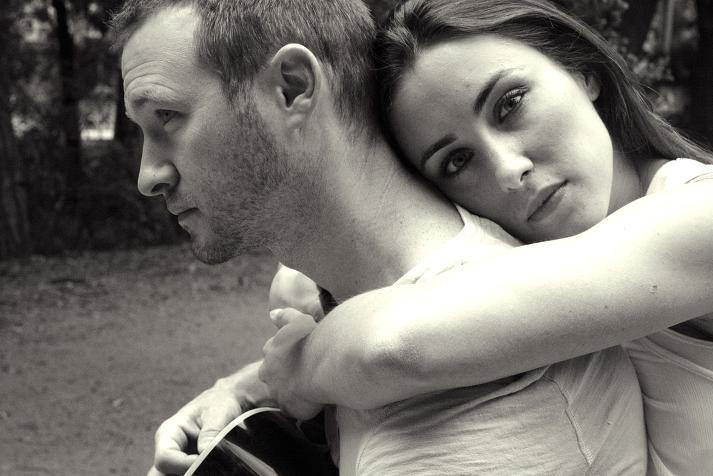
Couples Suffer over Combat PTSD

Source: Flickr

Source: Flickr

Since I started writing my newspaper column I have been contacted by several spouses that live through their veteran’s nightmares caused by combat. Julie is going through these nightmares with her husband, Lee. Julie has been struggling with his Post Traumatic Stress Disorder (PTSD), but Lee refuses to let her know the details of his nightmares or the event that caused them. This is normal in many Vietnam veteran relationships.  Often these veterans still struggle with the guilt and shame of what they had to do over 40 years ago.  Lee feels she knows enough to understand why he has nightmares and that is all she needs to know. Julie knows his issues are from the war, but little else about his military service in Vietnam.

Most spouses and close family have earned the right to hear their veteran’s stories, still vets struggle to tell the whole story for fear of being judged or losing their relationship. Many combat veterans lose their temper, have nightmares, flashbacks, and isolate, among other things. Vietnam veterans were treated badly when they returned. It is hard to blame them if they feel they need to isolate to survive and feel safe because of the way society treated them in the past. Some of these veterans are finally coming forward to work things out with themselves and their families.  Many veterans spend time at the local veteran Service Organizations (VSO) such as the American Legion, Disabled American Veterans (DAV), American Veterans (AMVETS) or the Veterans of Foreign War (VFW) because they know they will not be judged there. They feel safe and understood at the VSO’s, those who don’t work out their issues or spend time with other veterans tend to isolate.

Isolation of these veteran’s cause depression and a host of other issues. Many do not know that flashbacks can be caused by the sight, smell, and sounds that take them back to the event. Helicopters and loud noises like fireworks can cause flashbacks. Struggling in crowds is another major factor of PTSD veterans. Many veterans need to sit with their backs to the wall within sight of the door to feel safe, when I go out with people who have PTSD I let them choose where they sit.

Like our veterans today Vietnam veterans severely struggled when they returned home. An astonishing 38% of Vietnam veteran marriages failed within 6 months of their return home. It is unclear what the future holds for our newest veterans, it’s too early to tell. The overall divorce rate among Vietnam veterans is higher than the general population which is not surprising to me. It was found that 42% of them had committed at least one act of violence against their partner in their first year after their return and 92% committed at least one act of verbal aggression within that year. The severity of PTSD symptoms was directly related to relationship problems. Many spouses do not want to leave their husbands but have to, out of self-preservation. Most of the problems equate to a lack of communication and understanding. Usually the veteran does not want to discuss what is really bothering them and spouses struggle to understand why. The answer usually is vulnerability, veterans must be vulnerable to get past their PTSD. They are concerned their spouse will not understand or judge them.

As our newer veterans continue to come home they will continue to struggle until they get help. Vietnam was the first war to where the veterans were home within hours of leaving the combat zone. During WWII and Korea, veterans had a long ship ride across the pond with their buddies to decompress. Today’s veterans do not have time to process their actions with others who have similar experiences. Like Vietnam veterans, today’s veterans are returning home and their families are expecting them to pick up where they left off. The expectation is unrealistic both physically and mentally, war changes a person to their core. Many veterans choose to spend their time with those they feel understand them. Often that is other veterans at the local VFW or American Legion. Often spouses don’t understand and it causes a rift between the two and their relationship. We are on the verge of yet another generation of veterans who have been to war multiple times and come back changed. I believe we can expect another 50 years of this type of situation if we don’t take the necessary steps to teach couples to live with PTSD. There are tools out there to help, please seek couples counseling, coaching, or educate yourself about PTSD. It’s cheaper than a divorce.

For questions or comments, I can be reached at afterdutyvets@gmail.com or visit our website at marriedtoptsdpro.com and like us on Facebook at Married to PTSD Pro.
Discover how you can save your veteran's life. CLICK HERE to get your FREE access.

How to Create a Better VA Experience

Gilbert is an Iraqi veteran with two combat tours who refused to utilize the Veterans Administration (VA) for benefits. I often spend a lot of time trying to get veterans to utilize the benefits they earned. When I mentioned the VA to Gilbert he started grumbling. He felt it was a waste of time. Every trip to the VA Gilbert ended up spending the entire day there and often didn’t get what he needed. Gilbert is not alone; a lot of veterans become wary when you mention the VA and for good reason. What veterans think when the VA is mentioned consist of negative media coverage and complaints from other veterans. Many go into the VA with unrealistic expectations for the huge bureaucracy.     

As Gilbert continued to complain about the VA he told me his wife was getting tired of his complaining and told him to do something or stop complaining. I asked Gilbert if he has a driver’s license? He said yes, then I asked if he had to go to DMV to get his license, he again said yes. I questioned Gilbert about what he didn’t like about going to DMV. He discussed waiting in line, the rudeness of the people, and the paperwork. I asked Gilbert why he put up with DMV? he said “I want to drive!” I then asked, do the complaints sound familiar?  I could see him starting to think.   

With the VA, we feel we are owed services. Veterans have earned these services and feel abandoned and betrayed by the system if they don’t get their needs met. Veterans don’t like feeling abandoned or betrayed so they stop going to the VA. To most veterans, the whole VA experience is frustrating and can be overwhelming. With DMV, we are taught driving is a privilege and not a right. We are not owed a driver’s license; we did not earn it from our service. We have different expectations for the VA than DMV and the difference in expectations can cost veterans thousands of dollars.     

Many veterans walk into the VA in a negative mood. By walking in with a negative mood you are increasing your chances of having a negative experience. Your experiences at the VA depend on your mood when you get in your car to go. If you get an attendant who is having a bad day you are likely to have a negative experience. Many of those that work at the VA spend all day dealing with people who feel bad and have poor attitudes. If a person at the counter has been dealing with negative people all day it is psychologly difficult for them to be in a good mood when they see you. I understand it is their job to be positive, but there are times it is difficult no matter who you are.

I am not making excuses for the VA. I am discussing the reality of the situation. Make your life easier by managing your expectations and your mood. Gilbert went back and stuck it out. He now gets an extra $651.00 because he fought for what he earned. Managing his mood and expectations psychologically helped him work through the VA system. Working through the system can be difficult but the VA controls your benefits. You can help yourself by having a positive attitude when you go to the VA. The VA controls your medical care, benefits, and disabilities claims. Why walk away from them and leave money you have earned on the table? Why are you struggling financially if you don’t have to?  I will offer some suggestions about creating a better experience at the VA.

How to manage your mood and expectations when dealing with the VA

  1. Be pleasant to the person when you walk up to the counter, crack a joke, be sarcastic. It might put them in a better mood…. giving you a better experience. At times just a smile works!

  2. If you can get an appointment get one. This helps a lot but not always. If possible I always take the day off and schedule all of my appointments on the same day if I can.

  3. Mentally prepare yourself to be at the VA all day. Take a book, iPad, laptop, crossword, or Kindle, be prepared, if you are done sooner than expected all the better.

  4. Have the correct paperwork. Do your research and make sure you have what you need with you. They are only doing their jobs, most employees do not like the bureaucracy either.

  5. Understand that the claims department does not necessarily talk to the medical department. What’s on your disability claim might not show up in your VA medical records. When dealing with your primary care physician make sure you have your disability information with you from ebenefits.

  6. Do what they ask. They can only control what is in their area of expertise and can give you wrong information when pressed for an answer.

  7. Don’t ask them to do things that are above their pay grade or control. You cannot expect any employee to do something that will get them a reprimand or cost them their jobs.

  8. Be empathetic, many VA employees have been dealing with people who do not feel good all day.

  9. Be understanding. I have talked to several employees at the VA and they are scared to point out obvious problems. Like the military, the employee can be labeled a troublemaker.

  10. Asking questions is OK. Find the right person to ask, not everyone in the VA has the answers. In the military we are taught to not question authority. You are not in the military anymore.

  11. Be ready to accept the stock answer to a question, “it depends on the situation” it’s their go to answer when they don’t want to or can’t answer your question.

Want to learn more VA Tips? CLICK HERE to get your FREE access.

For questions or comments, I can be reached at afterdutyvets@gmail.com or visit our website at marriedtoptsdpro.com and like us on Facebook at Married to PTSD Pro.
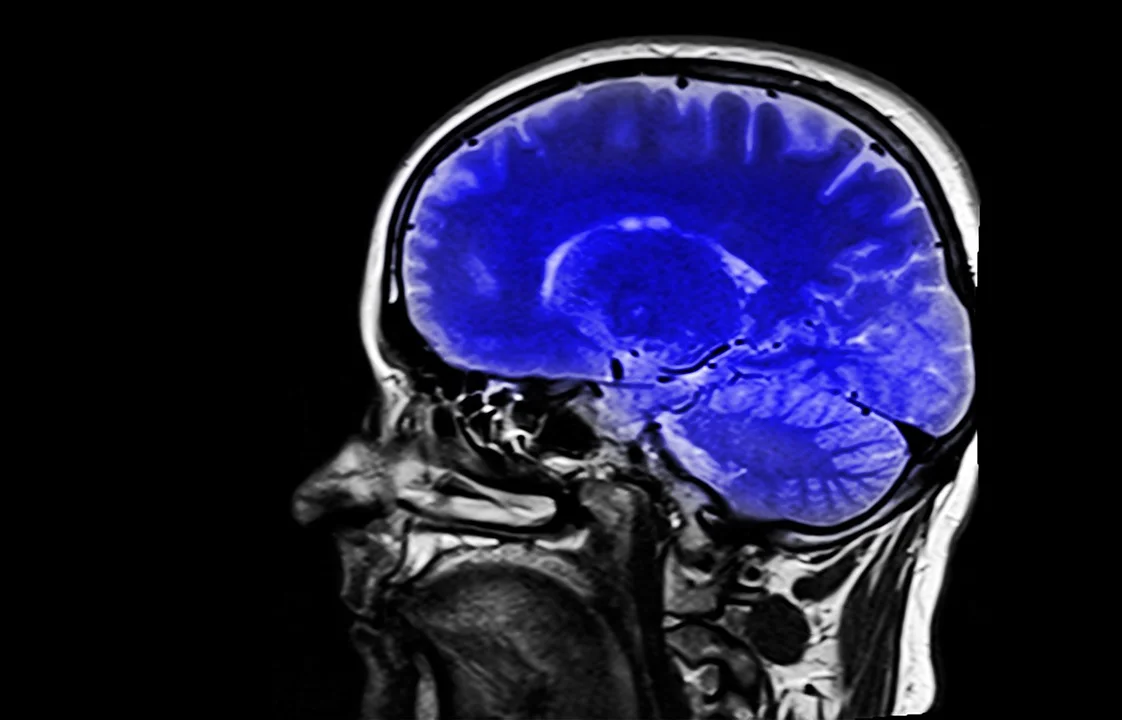
Women are in Combat

At a veteran’s event I was talking to a Lara a female employee of the Veterans Administration (VA). We spent a lot of time talking about issues within the system. She had served 10 years in the Army before she was medically retired due to her Post Traumatic Stress Disorder (PTSD). Like most people I assumed her PTSD was from a sexual assault. I was wrong, she had combat PTSD. She explained that my assumption was a major reason many female veterans will not reach out or file a claim for PTSD. I assumed that any female who has PTSD must have gotten it from sexual assault not combat.

I have said in the past that I have yet to meet a female veteran who had not at a minimum been sexually harassed. She continued to educate me and said I was the third person that she had heard that from but she had not been sexually harassed or assaulted during her time in the Army. We continued to talk and she told me that most people still struggle to believe that female veterans served in combat let alone having PTSD from a combat experience. She discussed a female veteran who could get a 100% disability rating if she included her PTSD. She refused to ask for a rating for PTSD because it would be assumed her PTSD was from a sexual assault not combat. She feared what others would think so she refused to ask for the rating because of the shame associated with sexual assault. She did not want to be seen as a victim.  

Lara continued educating me on her experiences and discussed how she had been struggling for quite a while because there are no groups for female veterans with combat PTSD. She tried to go to a combat PTSD group and an older veterans asked what was she doing there, women can’t have combat PTSD, women don’t serve in combat! That is a huge misnomer. There has been over 800 women wounded and 130 who gave the ultimate sacrifice since the wars started in 2001.

Recently women have been ok’d for combat by the military, even some have made it through Army Ranger school. Female veterans see combat whether we like to admit it or not. In the past women were not trained for combat but they continued to take on rolls that place them in the line of fire during support missions. Women have been in convoys since day one of Desert Storm. On today’s battlefield women receive and return fire. One of the most effective ways for our enemy to do damage to our psyche is road side bombs or Improvised Explosive Devices (IED). These tactics focus on convoys, and females are a part of them, leaving them susceptible to combat just like their male counterparts.

Female veterans need and deserve the same treatment males get for their psychological issues. According to my source, female veterans do not like to attend combat groups because most of them are full of older veterans who have not seen or believe women should be in combat. These females have earned and deserve their own groups for PTSD. The numbers of female veterans speak for themselves. They were 1.9% of casualties and 2.4% of all deaths. More than 280,000 women have served in OIF/OEF and they now make up to 20% of new recruits. Females are 14.5% of the 1.4 million in the military and 18% of the 850,000 reservist. Many of these women have been directly exposed to combat and have earned the benefits.

The center for women veterans was established by congress in November 1994. There has been little done for women veterans until recently when they started to fight for their rights. I have had several conversations with the Women Veterans Program Coordinator at a local VA hospital about women’s issues. She is working hard to make the Women’s Clinic a safe place for female veterans to go. I have sent several of my female clients to the women’s clinic and they have been happy with the care and services they have received.

Our women veterans deserve to be treated just like male veterans and have the same benefits from the VA. If you are a female veteran or know one, please visit or support the women’s clinic at the VA if they have one. The Women’s Healthcare System offers a variety of health services to address the unique needs of female veterans. Female veterans have earned the right to the same benefits male counterparts receive, take advantage of them. The more female veterans utilize their clinic the funding will increase. Don’t be scared to get what you have earned. Don’t let other’s assumptions stop you from getting what you deserve.

Want to learn more how to save veteran's life. CLICK HERE to get your FREE Training.

For questions or comments, I can be reached at afterdutyvets@gmail.com or visit our website at marriedtoptsdpro.com and like us on Facebook at Married to PTSD Pro.

Should We Be Concerned Over TBI and Police?

The shooting of a man with Traumatic Brain Injury (TBI) by police in Charlotte NC made me think about veteran families who live with TBI. Mr. Scott, the man in Charlotte NC, had suffered TBI from a motorcycle accident and some believe his TBI may have played a part in his death. So many folks with TBI suffer from impulse control issues, which means that they make very bad decisions. Mr. Scott was not a veteran, but I began to think of how easily he could have been a veteran. The discussion about TBI due to its prevalence in the veteran community is needed. I know many veterans who suffer from TBI and I see how it affects them, their families and their lives, it’s not easy being married to someone with TBI, often it is like being married to a teenager.

There are many causes of TBI or mTBI in the military. Accidents resulting in head trauma, being knocked unconscious by explosions or improvised explosive devices (IED’s), shrapnel wounds or bullet wounds are common. According to the Veterans Administration (VA) an estimated 22% of all combat casualties from Operation Iraqi Freedom (OIF), Operation Enduring Freedom (OEF) and Operation New Dawn (OND) have brain injuries. The Department of Defense (DOD) puts the number of TBI victims at 50,000, and the Pentagon at 115,000. However, non-military connected entities such as the Brain Injury Association of America (BIAA) places the number of veterans with TBI at 360,000 and the RAND corporation suggests as many as 400,000 veterans suffer with TBI. To say the least, it is unsettling to see the difference between the DOD’s numbers and the BIAA numbers. These numbers do not include those veterans who struggle with this problem but never report their difficulties so that they could be diagnosed and treated. The VA also estimates that 12% of Vietnam Veterans suffer from TBI but there are no hard numbers for them because TBI was not tracked.

The definition of TBI is a non-degenerative, non-congenital insult to the brain from an external mechanical force, possibly leading to permanent or temporary impairment of cognitive, physical, and psychosocial functions, with an associated diminished or altered state of consciousness. If the incident causes loss of and /or confusion and disorientation longer than 30 minutes TBI is likely.  It is unknown how TBI interferes with the brain and is often confused with Post Traumatic Stress Disorder PTSD because the signs often overlap. TBI can be difficult to diagnose, recognize or treat. Severe TBI can leave a person unable to function normally. 

Mild Traumatic Brain Injury (mTBI) is known as a concussion. mTBI can be considered if the loss of consciousness, confusion, or disorientation from the event is less than 30 minutes.  We have been hearing about mTBI in the media because of the National Football League (NFL) but not veterans who face mTBI from concussions. Assessments such as a MRI’s or CAT scans can look normal and mTBI still exist. Residual symptoms for mTBI can be seen for 18-24 months after the incident. Each mTBI event increases the chances of permanent brain damage.

Discussing “brain damage” is scary for family members. The recovery of a brain injury is unlike other seen or internal injuries. TBI or mTBI can change an individual’s personality causing the individual to act differently than they did before their injury. Frequently family members are the first to see the changes and do not know what they are seeing, all they see is an irrational loved one. TBI or mTBI symptoms may not be seen right away, without professional help a family member might not know their loved one is suffering from either. Some TBI and mTBI veterans have co-morbid problems with PTSD, chronic pain, and substance abuse among the most common symptoms masking the brain damage. These medical issues can complicate treatment and limit the ability to successfully find a single diagnosis for TBI or mTBI. Even well trained professionals struggle diagnosing TBI and mTBI at times because the co-occurring issues disguise the real issue.     

Veterans act differently in theatre than at home, only family members know what the veteran was like before they left. If the veteran spent an extended period of time in the hospital with no visible wounds or were un- conscious for longer than 30 minutes, there is a chance the veteran has TBI. On the other hand, many veterans will not admit to being “out” if the duration was short making mTBI harder to diagnose. mTBI is not mild to families who live with it and can be devastating to the family unit. Families should understand the nature of veteran’s head injuries can be different for each individual and produce diverse experiences.

I can only imagine how the events in Charlotte N.C. impacted veteran’s spouses who live with TBI or mTBI veteran. Mr. Scott could have been any one of our veterans. Family members understand what it is like to live with someone with brain damage, police don’t. Hopefully the incident in Charlotte N.C. will bring attention to TBI and cause better training for police not only for TBI but all mental health issues police officers face. It is also important for veteran’s families and veterans themselves understand that in many cases with hard work, appropriate treatment, and healthy behaviors, their veteran’s issues can likely improve. 

Common TBI signs: Understand TBI and mTBI signs can overlap

  • Lack of Attention

  • Lack of Concentration

  • Distractibility

  • Memory issues

  • Speed of Processing

  • Confusion

  • Perseveration

  • Impulsiveness

  • Language Processing

  • “Executive functions” (Decision Making Ability)

  • Speech, Language and writing difficulties

  • Chronic pain

  • Sleep disorders

  • Menstrual difficulties

  • Irritability

  • Aggression

  • Depression

  • Denial/lack of awareness

Common Symptoms of TBI

  • Fatigue

  • Headaches

  • Visual disturbances

  • Memory loss

  • Poor attention/concentration

  • Sleep disturbances

  • Dizziness/loss of balance

  • Irritability-emotional disturbances

  • Feelings of depression

Overlapping symptoms between PTSD and TBI

  • Depression

  • Anxiety

  • Irritability

  • Anger

  • Trouble Concentrating

  • Fatigue

  • Hyperarousal

  • Avoidance

Learn more how to save veteran's life. CLICK HERE to get your FREE Training.

For questions or comments, I can be reached at afterdutyvets@gmail.com or visit our website at marriedtoptsdpro.com and like us on Facebook at Married to PTSD Pro.

The Battles Continue for Veterans

I met Frank at the Vet center where he is going to college. Frank is an operation Iraqi Freedom (OIF) veteran with two tours, he has seen more than any 27-year-old should ever have to. He is struggling to work through what happened while he was deployed and since his return to the “real world”. Since his return home he has been battling multiple fronts and having to fight different fights. Frank was married and has a six-year-old daughter, now he is divorced and lives alone. He has been battling with the Veterans Administration (VA) over his disability, causing frustration and anger. He has been going to college but struggles dealing with the younger generation. He has recently added a battle within himself, the battle over how he feels about his time in Iraq. His emotional issues have taken over his life. Not only is he battling what he saw and had to do in Iraq, he is having to deal with emotional issues that followed him home.

Those issues have played a huge part in his families struggles. He and his wife have divorced like so many other veterans’ whose relationships have suffered the same fate. When Frank left for the first deployment he was not married. He did not want to get married to his girlfriend because he worried he would not make it back. The first deployment affected him a little, but he felt it was nothing he could not handle. After his first deployment they got married and had a daughter. They had been married about 3 years and he was again called to deploy. This time he had a wife and daughter to be concerned about. Like all good troops he went and did his duty. Frank explained how he remembers the first time his problem with PTSD was noticed. After about 8 months in theatre Frank’s Non-Commissioned Officer in Charge (NCOIC) started to get concerned, he noticed Frank had become careless and would lose his temper more often. He finished his deployment and returned home to his wife and daughter. When Frank returned, he was happy, but it was not long before the return honeymoon period ended. About a year later his wife left with his daughter because of his drinking.  Frank was not the same guy she fell in love with. Up until this point Frank had been reluctant to get help from the VA. He finally took that step for help, but it was too late for his relationship.     

When Frank finally took the step to get help from the VA, another battle started. The VA is a huge bureaucratic nightmare and can be frustrating. His first step was behavioral health, he was placed on a waitlist. He soon became frustrated and came to see me while waiting for his spot to open up. About 2 months later he was called and given an appointment. Once it was all said and done, he received an 80% disability rating for Post-Traumatic Stress Disorder (PTSD). During this time working through the VA bureaucracy he decided to start college.

Frank explained how he was nervous about going to college. No one in his family had taken that step. He started using his post-911 education benefits. He soon found that there were battles he had to fight in college too. The college is a state-run institution and the education program is a federal program. Frank had to deal with two different bureaucracies, as a rule bureaucracies do not play well with each other. Once he was done with battling dueling bureaucracies he had to deal with immature students.  These students don’t understand him and asked, “stupid questions” like “did you kill someone?” or “was the war worth it?” This became a battle he had to deal with, he had to maintain his composure and keep calm. They did appear to affect him, because he started to have another battle within himself, was the war worth it since ISIS had taken large chunks of Iraq?    

Frank, like some other veterans now question what they were fighting for. He was glued to the TV for a while when ISIS invaded Iraq and the Iraqi Army lost control of the land they had fought so hard, shed blood, and died for. He has stopped watching the news because it brings up the negative emotions he has been trying to suppress. Even before ISIS took over parts of Iraq he was struggling to deal with the cost of the war. Frank tells very few about how he feels about the wars. He converses with other veterans who have spoken up, but he keeps his comments to a minimum. He is caught in a battle with himself and his feelings, he does not know how to feel. Frank feels if he does not care about what is going on in Iraq then he is disloyal to those who we lost. If he feels anger all his emotions he has worked hard to suppress will arise. Frank feels he should want to go back and recover what he had fought so hard for.

I am seeing more and more veterans struggling with the situation in IRAQ and I don’t see an end to it. I have talked to several in the Army, Navy, Air Force, and Marines who, like Frank don’t know how to feel. They mourn the loss and casualties of their brothers, while questioning whether it was all worth it. This is a hard place to be, it is difficult to feel your brothers died in vain, it’s a hard pill to swallow but many are starting to fight the battle. These are the same feelings the Vietnam veterans have been feeling for years, was it worth it. Only the individuals can answer that question.

For questions or comments, I can be reached at afterdutyvets@gmail.com or visit our website at marriedtoptsdpro.com and like us on Facebook at Married to PTSD Pro.

Learn more how to save veteran's life. CLICK HERE to get your FREE Training.

Thank a Spouse

Image Source: Flickr

Image Source: Flickr

As I walk around town I am constantly thanked for my service.  I have noticed how little our spouses are recognized for their service to the country. There’s no way military members can go to war without their spouses or families dealing with the day to day issues at home. After working with veteran families for years I have noticed how often spouses live through turmoil because of the baggage that comes from just being in the military. It doesn’t matter if someone has a disability or not, veterans have quirks that civilians don’t have.

One of the biggest problems many spouses face is Post Traumatic Stress Disorder (PTSD). I constantly hear from spouses who believe they are married to PTSD and not their spouse. Spouses have been struggling for years being married to PTSD and not understanding what to do or how to live with it. The inability to get help from the VA is frustrating for spouses and leaving them nowhere to turn. Spouses continue to look for help and often have very few options. Often Vietnam veteran’s spouses believe incorrectly it is too late for their veteran to get help because of the amount of time that has past. Spouses struggle with the demons their vets live with not knowing what the demons are. Veterans struggle to disclose those demons to their families for fear of being too vulnerable. These mental health demons brought on by war can cause spouses to question their relationships. Often being married to PTSD ends in a divorce because the spouse does not understand the reasons behind their spouse’s behavior related to PTSD. A study by the VA suggest veterans with PTSD were three times more likely than Veterans without PTSD to divorce two or more times. Often marriages end because spouse feels they do not have the person they married as the demons come to the forefront.

We often hear, what can we do to help our veterans, helping spouses is the key. It is not easy for a spouse to live with someone who has a mental health ailment. Often the issues they face are directly correlated to what the veteran is going through. The VA is starting to see the need to help spouses but has a long way to go. If you ask the VA they will tell you they see spouses. What they don’t tell you is the veteran has to be in treatment for the spouse to get help. The VA needs to understand the key to helping veterans is helping the spouse understand the mental health issue that is PTSD.   

With the newest wars many spouses stayed home while their spouses are deployed, many have children and become single parents while their spouse is gone. Raising children alone is one of those tough jobs spouses are left with. These children must go through years not having both of their parents around. Many of today’s veterans have deployed multiple times some for 12 to 18 months at a time. It doesn’t matter to a child if their parent is serving their country or not, all they know is their parent is gone for an extended period missing birthdays, holidays, and special events. It’s up to the spouses to keep the children calm and keep them mentally secure through troubled times for them. These spouses deserve a medal for what they are doing and continue to do.

Whether the spouse was married while the veteran was serving or not, spouses have taken on a service to the country by marrying and taking care of our veterans. I challenge everyone to thank a spouse also when they thank a veteran. These spouse have been putting up with the veteran’s foibles for years brought on by their spouse’s military service. Working through difficult times as veterans age, their demons start to arise as retirement age comes to the forefront. Living with a veteran alone can be stressful at times, add in PTSD, dealing with the VA or other ailments caused by military service can make the relationship more stressful. It does not matter whether the spouse is the veteran’s first, second, third, or even fifth marriage, all veterans have some residual military traits that they carry into their relationship. Throughout the year when you see a military veteran with their spouse, thank the spouse too.  Spouses have earned the respect and recognition because most veterans can’t make it without their spouse to hold everything together. So the bottom line is when you can…. thank a veteran’s spouse.  

For questions or comments, I can be reached at afterdutyvets@gmail.com or visit our website at marriedtoptsdpro.com and like us on Facebook at Married to PTSD Pro.

If you want to learn more how to save veteran's life. CLICK HERE to get your FREE training.

PTSD Can be Generational

unsplash-image-8ybZT29CaoA.jpg

I have a friend who suffers from high anxiety. While John and I were talking, I learned that his mother had high anxiety too. After a lengthy discussion, I found out John’s grandfather was a World War II veteran. As I talked to John about his grandfather I began to believe John’s grandfather possibly had Post Traumatic Stress Disorder (PTSD). I cannot diagnose PTSD without seeing his grandfather but it sure sounded like he was suffering from it. John’s grandfather was not married to his grandmother while he stormed the beach on “D” day and continued the battle through Europe. John discussed his grandfather’s sudden anger outbursts and his inability to be in crowds. Both of these issues can be traced back to the possibility of PTSD. From what I could tell, John’s mother witnessed Domestic Violence between her mother and father and was in constant fear that her father would have a sudden anger outburst. These outbursts could have caused John’s mother to have PTSD, but it also could cause the high anxiety John’s mother displays. John’s mother is not alone if her father did have PTSD, there are many more like her. There are millions of family members who lived or are living with someone living with PTSD.

Not every family who lives with a combat veteran see symptoms of PTSD. An estimated 31% of Vietnam veterans, 10% of Gulf War veterans, 11% Afghanistan veterans and 20% of Iraq veterans have been diagnosed with PTSD. Vets who have not presented for treatment, but suffer none the less are not included in these numbers.  These numbers show there are a lot of families who live with PTSD symptoms. The number of veteran families is unknown. However, the accepted number of “Military Brats” is 18.5 million. This number does not include family members of veterans who, like John’s mother did not live with their parent while they were in the military. The number of children who were or are living with military veterans could be way higher than the 18.5 million. This leaves a lot of folks living with PTSD and its effects.   

The issue of PTSD is relatively new for families. It wasn’t until the 1980’s that PTSD was given a name. Due to the stigma associated with mental illness, PTSD families frequently suffer in silence. Often, people do not want to discuss PTSD in their homes because it is the family secret. Some families are suffering with an increase in domestic violence and substance abuse, causing shame and anxiety associated with their loved one’s PTSD. This “walking on egg shells” creates a lot of anxiety within the household because of the uncertainty of aggressive behavior by the person suffering from PTSD. Many who have PTSD suffer in silence and often self-medicate with drugs, alcohol and prescription drugs. Regularly these medications are prescribed by the Veterans Administration (VA) medical doctors, because the medication is prescribed, the families feel it is OK. Living with someone who has PTSD and self-medicating is tough. Often those who live with someone with PTSD must change the way they live. Family members resort to their own self-medication or begin to suffer with PTSD themselves because they live with the violence, substance abuse, and risky behavior that can come along with living with someone who suffers from PTSD.       

There has been a new term being used by families of those living with PTSD. Even the VA has co-opted the term “Secondary PTSD”. The reality is those who have been subjected to the irrational behavior and domestic abuse cause by PTSD could be suffering from it themselves. If a family member starts to exhibit PTSD symptoms it is possible, it’s not secondary…. It is PTSD! We have known for years that children exposed to the erratic behavior of a PTSD sufferer can cause PTSD in these kids.  However, recently there have been studies that link PTSD to genetics. This genetic makeup can be passed on by someone who has lived with someone suffering from PTSD and lives with the affects that can accompany it.

I know that not all military families deal with PTSD. We all need to understand that not all who served in combat have PTSD. It is possible John has had to deal with his grandfather’s PTSD through his mother. It is amazing how PTSD can go down several generations. With the newest research, it is possible PTSD can be attached genetically to individuals. I know this sounds a little out there but time will tell. Either way I believe it is possible for PTSD to be generational whether it is through behavior caused by living with someone with PTSD or through genetics. Either way we know PTSD can be managed through counseling and / or medication. Not getting help for PTSD is a choice, and this change can start by family members going to counseling and taking care of themselves and their children first.

For questions or comments, I can be reached at afterdutyvets@gmail.com or visit our website at marriedtoptsdpro.com and like us on Facebook at Married to PTSD Pro.

Want to learn more how to handle PTSD? CLICK HERE to get your FREE Access.